
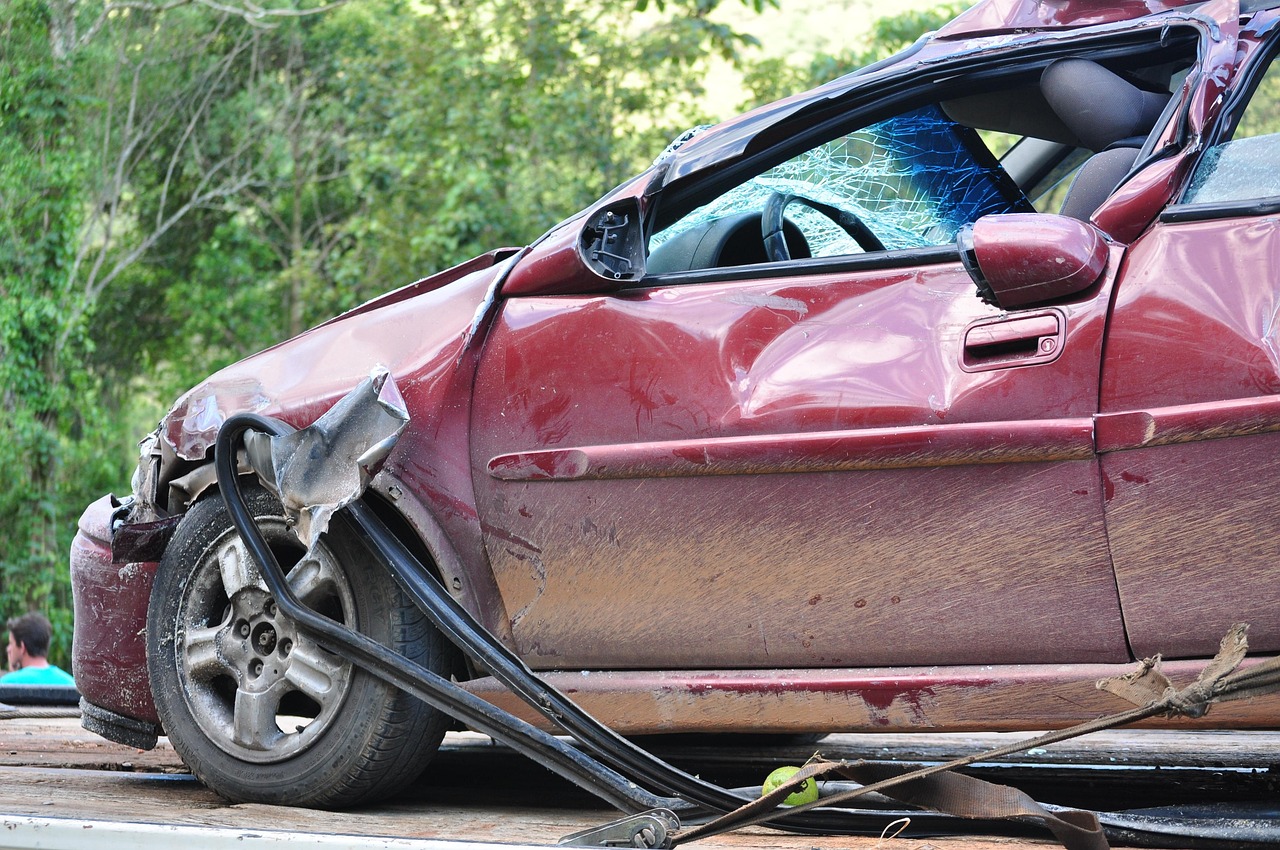






No fault in New Jersey, as in several other states, ensures that regardless of fault, individuals are entitled to receive medical treatment for injuries sustained in accidents. This system allows for coverage of medical expenses through one’s own auto insurance policy without the need to prove fault. It provides a safety net for injured parties by ensuring medical care is accessible, subject to policy limits and copays. Utilizing in-network facilities for certain services like MRIs is essential to maximize coverage.
After a car accident in New Jersey, whose insurance pays first for medical treatment?
In New Jersey, the injured party’s own insurance is the primary payer for medical treatment after a car accident. This “no fault” system mandates that one’s auto insurance coverage kicks in first, covering medical expenses up to the policy’s limits, regardless of fault. Even if the injured individual was not driving at the time of the accident, their auto insurance from home would still cover medical costs, providing a sense of security in accessing necessary medical treatment.
If medical bills exceed the policy limit, does the coverage extend to the other party’s policy?
In situations where medical bills surpass the policy limit, the coverage may extend to the other party’s policy if they have sufficient coverage. Policyholders in New Jersey can select various personal injury protection (PIP) limits, ranging from $15,000 to $250,000. However, if the selected limit is insufficient to cover extensive medical expenses, there may be challenges in meeting the full cost of treatment, emphasizing the importance of choosing adequate coverage levels based on individual needs.
What medical expenses does Personal Injury Protection (PIP) typically cover in New Jersey?
PIP coverage in New Jersey typically encompasses a wide range of medical expenses, including emergency room visits, doctor appointments, physical therapy, chiropractic treatment, surgeries, diagnostic tests like MRIs and X-rays, and prescribed medications. To access these benefits, individuals must file a PIP claim with their insurance carrier, initiating the process of obtaining coverage for necessary medical treatments. It is crucial to follow the procedural requirements set by the insurance company to ensure prompt payment for medical services.
How does the process of filing a PIP claim and obtaining treatment begin after an accident in New Jersey?
In New Jersey, individuals have a grace period of 10 days following an accident during which they can seek medical treatment without having filed a PIP application or obtained pre-authorization. However, after this initial period, it is essential to file a PIP application with one’s insurance company to continue receiving coverage for medical expenses. Treatment providers must pre-certify the proposed treatment plans with the insurance company, ensuring that the services rendered align with the necessary guidelines. Following a structured process is vital to navigate the complexities of PIP coverage efficiently and access essential medical care.
What is the significance of coordination of benefits in the context of auto insurance and health insurance coverage for medical expenses?
Coordination of benefits plays a crucial role in determining which insurance, auto or health, will cover medical expenses initially. While no fault systems typically require auto insurance to be the primary payer, individuals may opt for their health insurance to cover medical costs first. However, this choice comes with considerations such as network restrictions, copayments, and deductibles that can impact out-of-pocket expenses. Selecting the appropriate primary coverage based on individual circumstances is essential to avoid potential penalties or coverage limitations that may arise from incorrect benefit coordination.
Apart from medical bills, what other expenses can PIP cover, such as lost wages or essential services during recovery?
In addition to medical expenses, PIP coverage in New Jersey can extend to cover lost wages and essential services like housekeeping or laundry assistance. While PIP benefits for lost wages are available, the coverage amount may be limited, emphasizing the importance of considering additional coverage options to address potential financial impacts during recovery. Although PIP benefits can provide some financial support, it is essential to explore other avenues for compensation, such as pursuing claims against at-fault parties, especially in cases involving significant injuries that may warrant legal action to secure adequate compensation.
How does the claims process proceed if PIP limits are exhausted or injuries exceed the no-fault threshold in New Jersey?
When PIP limits are depleted or injuries exceed the no-fault threshold, individuals in New Jersey have up to two years from the accident date to file a lawsuit in court. Before initiating litigation, it is crucial to assess the severity of injuries and ensure they meet the threshold for pursuing legal action effectively. The claims process involves stages like discovery, which can take varying durations to complete, depending on case complexities. While settlements are common, cases may proceed to trial if insurance companies undervalue claims, underscoring the importance of engaging legal representation to navigate the legal complexities and maximize compensation.