

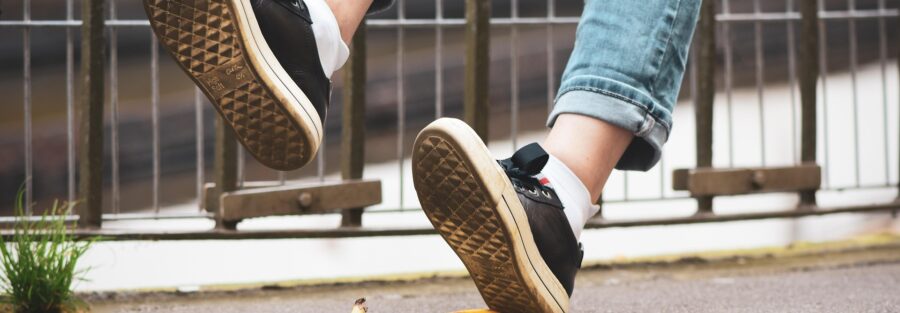


What does premises liability mean in the context of a slip-and-fall case?
Premises liability entails the responsibility of property owners to maintain a safe environment on their premises. If an individual sustains an injury due to a hazardous condition that the owner knew about or should have known about but failed to address, the owner may be held liable.
What conditions must exist for a property owner to be responsible for someone’s injury in a slip-and-fall case?
For a property owner to be liable for an injury, three key elements must align: there must be a dangerous condition present, the owner or responsible party must have known or should have known about it, and they must have failed to rectify the issue or warn others in a timely manner.
In what situations is a property owner not legally at fault for a slip-and-fall accident?
To establish fault, it is crucial to demonstrate that the property owner had prior knowledge of the hazardous condition and neglected to address it. In some cases, such as with snow and ice falls in New Jersey, liability may not apply if the property owner did not undertake snow removal activities.
If someone falls on the property of a person working from home, who is liable for the injury, the property owner or their employer?
In the scenario where someone falls on the property of an individual working from home, the property owner is typically held liable. While the employer could also be involved, proving that the employer is responsible for the hazardous condition can be more challenging.
Are self-employed individuals working from home liable for injuries that occur on their property?
Self-employed individuals working from home bear the same liability as property owners in traditional settings. If they are aware of a dangerous condition on their property and fail to address it, they may be held accountable for injuries sustained by visitors or clients.
Would having business insurance be a viable option for self-employed individuals working from home to mitigate liability risks?
Obtaining business liability insurance is highly recommended for self-employed individuals working from home to safeguard against liability in case of accidents or injuries on their property. Business insurance can provide coverage for liability issues and protect against potential financial losses.
What types of evidence strengthen slip-and-fall cases, especially in the early stages post-injury?
Compelling evidence in slip-and-fall cases includes video recordings of the accident or eyewitness testimonies. Promptly involving a personal injury attorney is crucial as they can issue a preservation letter to secure critical evidence like video footage that may be pivotal in establishing liability.
When insurance companies assess slip-and-fall cases, what factors influence their decision to negotiate or deny a claim?
Insurance companies primarily consider the presence of a hazardous condition and whether the property owner had prior knowledge of it. If sufficient evidence, such as video footage, indicates owner negligence, the insurance company is more likely to engage in negotiations rather than outright denial of the claim.
How should the claim process typically commence for injuries sustained inside a business, and what can individuals anticipate during this initial stage?
In cases where injuries occur within a business, individuals should file an incident report with the business owner or manager to document the occurrence. Seeking medical treatment and consulting with a personal injury attorney promptly are essential steps to protect one’s rights and gather necessary evidence.
For individuals unsure if unsafe conditions caused their fall, what immediate actions should they take to safeguard their rights and seek assistance?
Individuals uncertain about their legal standing following a slip-and-fall incident should seek medical attention and consult with a personal injury attorney. Consulting with an attorney can provide clarity on potential legal recourse and guide individuals through the litigation process if necessary.
Any final advice for individuals involved in slip-and-fall incidents to navigate the complexities of such cases effectively?
In the aftermath of a slip-and-fall incident, individuals should document the scene, seek witness accounts, and consult with a personal injury attorney to assess their legal options. Gathering evidence, including photos and witness statements, can significantly strengthen a potential case and protect individuals’ rights in pursuit of compensation.