Understanding Premises Liability
When you visit a store, walk through a park, or enter someone’s home, you expect the environment to be reasonably safe. But accidents happen—and sometimes, property owners may be legally responsible.
Premises liability refers to the legal responsibility a property owner or occupier has for injuries that occur on their property due to unsafe or hazardous conditions. This area of law is a key part of personal injury law, designed to protect visitors from preventable harm.
The Property Owner’s Duty of Care
Property owners must take reasonable steps to ensure their property is safe. The level of responsibility they owe depends on the type of visitor:
· Invitees – People invited for business purposes (for example, customers in a store). Owners owe the highest duty of care and must inspect and fix hazards.
· Licensees – People allowed on the property for non-business purposes (such as social guests). Owners must warn of known dangers.
· Trespassers – People on the property without permission. Owners still have a limited duty not to intentionally cause harm.
Common Types of Premises Liability Accidents
Premises liability cases can involve many types of dangerous conditions and accidents, including:
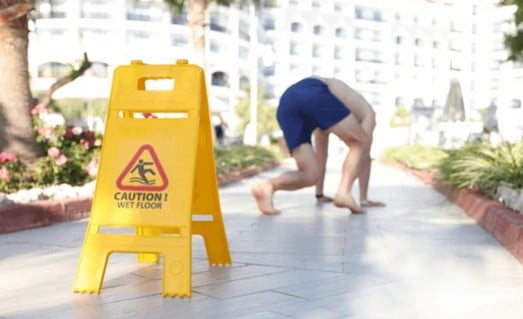
· Slip and fall accidents: Wet floors, icy sidewalks, or uneven surfaces.
· Trip and fall accidents: Torn carpeting, cluttered walkways, or poor lighting.
· Inadequate maintenance: Broken stairs, loose handrails, or structural hazards.
· Negligent security: Assaults or robberies in poorly lit or unmonitored areas.
· Swimming pool accidents: Drowning, falls, or unsafe pool conditions.
Real-Life Examples
· Grocery Store Slip: A shopper slips on spilled liquid with no warning sign posted. The store may be liable for failing to maintain safe conditions.
· Apartment Stair Fall: A tenant falls due to a broken handrail that wasn’t repaired despite complaints. The landlord could be responsible.
· Parking Lot Assault: A visitor is attacked in a dark lot with no security cameras. The property owner may be liable for negligent security.
What to Do After an Injury on Someone Else’s Property
If you’re hurt on another person’s property, your actions immediately following the accident are crucial:
1. Seek Medical Attention – Get examined right away and follow your doctor’s recommendations.
2. Report the Incident – Notify the property owner, manager, or employee in charge and ask for a written report.
3. Document Everything – Take photos or videos of the area, your injuries, and any contributing hazards.
4. Get Witness Information – Names and contact details can help strengthen your claim.
5. Preserve All Records – Keep all medical bills, receipts, and correspondence.
6. Contact a Premises Liability Lawyer – Before speaking with insurance companies, consult an experienced attorney to protect your rights.
Damages You May Recover
In a successful premises liability claim, you may be entitled to compensation for:
· Medical expenses (past and future)
· Lost wages and loss of earning capacity
· Pain and suffering
· Emotional distress
· Permanent disability or disfigurement
· Out-of-pocket costs related to your injury
Protecting Yourself and Your Rights
While property owners are responsible for maintaining safe environments, you can help protect yourself by staying alert, reporting hazards, and taking care when walking in unfamiliar or poorly lit areas. Still, when someone else’s negligence causes you harm, you should not have to bear the burden alone.
Injured on someone else’s property? Learn the basics of premises liability law, common types of accidents, and what to do after a slip and fall. Protect your rights with an experienced New Jersey premises liability attorney.
Call us now at 732-967-9110 or email OFFICE@GHABOURLAW.COM to get started.