





Accidents happen every day—on the road, at work, in someone else’s home, or on commercial property. But one of the most important questions after any injury is: Who is legally responsible?
Understanding liability helps protect your rights and ensures you receive the compensation you’re entitled to under New Jersey law.
This month’s newsletter breaks down what liability means, how it’s determined, and what you should do if you’re injured due to someone else’s negligence.
What Does “Liability” Mean?
Liability refers to legal responsibility for causing harm or injury. In personal injury cases, the injured person must show that another party acted negligently—or failed to act when they should have—and that this negligence caused the injury.
Common situations involving liability include:
- Slip and fall accidents
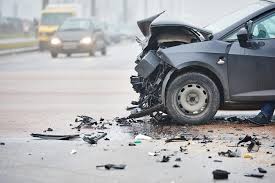
- Car and truck collisions
- Workplace injuries
- Dog bites
- Unsafe conditions on residential or commercial property
- Defective or dangerous products
How Is Liability Determined?
To prove liability in New Jersey, an injured person typically must show four key elements:
1. Duty of Care
The responsible party must have had a legal obligation to act safely.
Examples:
- A property owner must maintain safe conditions.
- A driver must follow traffic laws.
- An employer must provide a safe workplace.
2. Breach of Duty
They failed to meet that obligation.
Examples:
- Leaving ice on a walkway
- Texting while driving
- Failing to fix broken stairs
3. Causation
The breach directly caused the injury.
Examples:
- Slipping on unshoveled snow
- Being rear-ended because the other driver wasn’t paying attention
4. Damages
The injury resulted in actual physical, emotional, or financial harm.
Examples:
- Medical bills
- Lost wages
- Long-term pain
- Permanent disability
Liability in Everyday Situations
Premises Liability (Slip and Fall or Unsafe Property)
Property owners can be liable if you’re injured because they failed to fix, warn of, or address a dangerous condition.
Motor Vehicle Liability
Drivers are responsible for operating their vehicles safely. Negligent driving—such as speeding, distracted driving, or failing to yield—creates liability.
Workplace Liability
Even though workers’ compensation covers most workplace injuries, unsafe conditions or third-party negligence may create additional liability claims.
Product Liability
Manufacturers, designers, or retailers may be liable if a defective product causes injury.
Why Liability Matters
Determining liability is essential because it affects your ability to receive compensation for:
- Medical bills
- Rehabilitation
- Lost income
- Pain and suffering
- Long-term disability
- Property damage
- Ongoing treatment
Without establishing who is at fault, insurance companies may try to deny or minimize your claim.
📞 Need Guidance? We’re Here to Help.
If you were injured through no fault of your own, you don’t have to navigate the legal process alone.
An experienced personal injury attorney can help investigate the accident, determine liability, gather evidence, and fight for the compensation you deserve.