
Sports provide countless physical, mental, and social benefits, but participation also comes with the risk of injury. Many sports injuries are simply accidents that occur as part of normal athletic activity. However, when an injury is caused or contributed to by negligence, unsafe conditions, defective equipment, or inadequate supervision, the injured athlete may have grounds to pursue a personal injury claim.
Understanding sports injury liability can help athletes, parents, coaches, schools, and sports organizations recognize when an injury may be more than simply an inherent risk of the game.
Understanding Liability in Sports Injury Cases
Liability refers to legal responsibility for an injury. In a sports injury case, determining liability generally requires examining the circumstances surrounding the accident, the relationship between the parties, and whether someone failed to act reasonably under the circumstances.
Athletes generally accept the ordinary risks inherent in the sport they choose to play. However, that does not necessarily mean they assume the risk of another person’s negligent, reckless, or intentional conduct.
Depending on the circumstances, establishing a negligence claim may require proving:
- A duty of care existed;
- The defendant breached that duty;
- The breach caused or contributed to the injury; and
- The injured athlete suffered damages.
The specific legal standards can vary depending on the sport, location, age of the athlete, and identity of the potentially responsible party.
Common Causes of Sports Injuries Involving Negligence
Not every sports injury creates legal liability. Some injuries are unavoidable consequences of athletic participation. Others, however, may result from conditions or conduct that could reasonably have been prevented.
Examples of potentially negligent conduct include:
- Unsafe or poorly maintained playing surfaces;
- Defective or improperly maintained sports equipment;
- Inadequate facility maintenance;
- Insufficient supervision;
- Failure to enforce applicable safety rules;
- Improper coaching or training techniques;
- Failure to follow established safety protocols;
- Failure to provide appropriate medical attention; and
- Allowing an injured athlete to continue playing when it was reasonably apparent that doing so could cause additional harm.
When negligence contributes to an injury, responsibility may extend beyond the athlete who was directly involved in the accident.
Who May Be Liable for a Sports Injury?
Depending on the circumstances, several individuals or organizations may potentially share responsibility for a sports-related injury.
Coaches
Coaches play an important role in maintaining a safe athletic environment. Their responsibilities may include providing appropriate supervision, teaching proper techniques, enforcing safety rules, and recognizing when an athlete should not continue participating.
A coach’s conduct may be relevant to a negligence claim when the coach:
- Ignores known safety hazards;
- Requires athletes to participate in unnecessarily dangerous drills;
- Fails to provide appropriate instruction;
- Encourages unreasonable or excessive physical contact;
- Fails to respond appropriately to an apparent injury; or
- Allows an athlete to continue playing despite signs of a potentially serious injury.
Whether a coach is legally liable depends on the specific facts and applicable law.
Schools and Educational Institutions
Schools that sponsor athletic programs may have responsibilities concerning the safety of student-athletes. Potential issues can include:
- Unsafe athletic facilities;
- Improperly maintained equipment;
- Inadequate supervision;
- Negligent hiring, training, or supervision of staff;
- Failure to follow applicable safety procedures; and
- Failure to respond appropriately to serious injuries.
Claims involving public schools can also involve special legal requirements, including notice provisions, governmental immunity issues, and specific filing deadlines. These requirements can be different from those applicable to private schools.
Sports Leagues and Organizations
Youth leagues, amateur associations, recreational programs, and other sports organizations may potentially be responsible when negligent conduct contributes to an injury.
Examples may include:
- Failing to maintain playing fields;
- Failing to establish or follow appropriate emergency procedures;
- Ignoring known safety violations;
- Failing to implement established safety policies; or
- Failing to take reasonable precautions to protect participants.
The organization’s specific responsibilities will depend on the circumstances and the applicable law.
Property Owners and Facility Operators
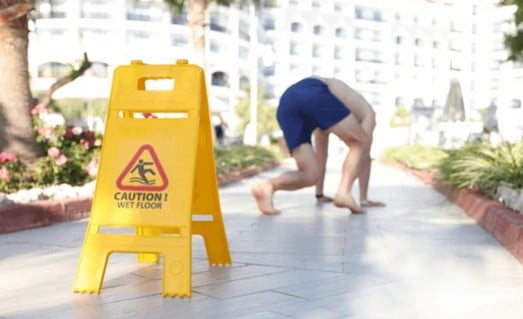
Owners and operators of sports facilities may have a duty to maintain their premises in a reasonably safe condition.
Potential hazards include:
- Uneven or damaged playing surfaces;
- Broken bleachers or seating;
- Inadequate lighting;
- Dangerous obstacles;
- Wet or slippery areas; and
- Other dangerous conditions that should have been identified and corrected.
A premises liability claim may arise when a dangerous condition causes an injury and the property owner or operator failed to take reasonable steps to address it.
Equipment Manufacturers
In some cases, the problem is not the athlete’s conduct or the condition of the facility but the equipment itself.
Potentially defective sports equipment may include:
- Helmets;
- Shoulder pads;
- Protective eyewear;
- Gymnastics equipment;
- Goalposts; and
- Exercise or training equipment.
Product liability claims may arise when a product contains a manufacturing defect, has an unsafe design, or lacks adequate warnings or instructions.
Assumption of Risk in Sports Injury Cases
One of the most important issues in many sports injury cases is assumption of risk.
Athletes generally understand that participating in sports involves certain inherent dangers. Depending on the sport, those risks may include:
- Collisions;
- Falls;
- Sprains;
- Broken bones;
- Muscle strains; and
- Other injuries associated with normal participation.
By voluntarily participating, an athlete may be considered to have accepted certain risks that are inherent in the activity.
However, this does not necessarily mean that an athlete assumes every possible risk associated with the sport. There can be an important distinction between an inherent risk of participation and an injury caused by conduct or conditions outside those ordinary risks.
For example, a football player may understand that being tackled is an ordinary part of the game. That does not necessarily mean the player accepts the risk of playing on a field containing a dangerous, concealed condition or using defective protective equipment.
Because assumption-of-risk rules vary by jurisdiction and circumstances, an attorney should evaluate the specific facts before determining whether the doctrine applies.
Common Sports Injury Claims
Sports injury cases can arise in virtually any athletic activity, including:
- Football;
- Soccer;
- Baseball;
- Basketball;
- Hockey;
- Cheerleading;
- Gymnastics;
- Wrestling;
- Track and field;
- Cycling; and
- Martial arts.
Liability issues may arise in professional, school, youth, amateur, recreational, and private athletic programs. The applicable legal standards can vary depending on the athlete’s age, the type of organization involved, and where the injury occurred.
Compensation for Sports Injuries
When a sports injury results from legally actionable negligence or other misconduct, an injured person may be entitled to recover damages.
Depending on the circumstances, damages may include:
- Medical expenses;
- Future medical treatment;
- Physical therapy;
- Rehabilitation expenses;
- Lost wages;
- Loss of future earning capacity;
- Pain and suffering;
- Emotional distress;
- Permanent impairment or disability; and
- Loss of enjoyment of life.
The damages available in a particular case depend on the nature and severity of the injury, the applicable law, and the evidence establishing the athlete’s losses.
Evidence That Can Strengthen a Sports Injury Claim
Evidence can be particularly important in sports injury cases because conditions at a facility or details surrounding an accident may change quickly.
Potentially useful evidence may include:
- Medical records and bills;
- Photographs or videos of the accident scene;
- Photographs of damaged equipment;
- Equipment inspection records;
- Surveillance or game footage;
- Witness statements;
- Coaching records;
- Maintenance and inspection logs;
- Incident reports;
- Athletic policies and procedures; and
- Expert testimony.
Preserving evidence as soon as possible can be critical. For example, if defective equipment or a dangerous playing surface contributed to an injury, documenting the condition promptly may help establish what caused the accident.
What to Do After a Sports Injury
After a serious sports injury, taking reasonable steps to document what happened can help protect an athlete’s legal rights.
Consider the following:
- Seek medical attention. Serious injuries are not always immediately apparent. Prompt medical evaluation can also create an important record of the injury.
- Report the injury. Notify the coach, school, league, facility, or other appropriate authority.
- Document the accident. If possible, photograph the location, playing surface, equipment, and other conditions involved.
- Preserve damaged equipment. Do not discard equipment that may have contributed to the injury.
- Keep records. Save medical bills, treatment records, receipts, wage-loss documentation, and other relevant information.
- Identify witnesses. Obtain contact information for individuals who witnessed the accident or observed the conditions leading up to it.
- Be cautious about statements. Consider speaking with an attorney before providing a recorded statement to an insurer or other party concerning the circumstances of the injury.
- Consult an attorney. A personal injury attorney can evaluate the circumstances, identify potentially responsible parties, and advise you about applicable deadlines and legal requirements.
Final Thoughts
Sports naturally involve a certain degree of risk, but not every injury is simply “part of the game.” When an athlete is injured because of negligent coaching, unsafe premises, defective equipment, inadequate supervision, or another preventable condition, there may be a legal basis for pursuing compensation.
Determining responsibility in a sports injury case requires a careful examination of how the injury occurred, who controlled the activity or premises, what safety measures were expected, and whether the conduct involved a risk that the athlete actually assumed.
If you or your child has suffered a sports-related injury, an experienced personal injury attorney can review the circumstances, identify potentially responsible parties, and determine what legal options may be available.