Sports and recreational activities provide countless physical and mental health benefits, but they also carry inherent risks of injury. While many sports injuries are simply unfortunate accidents, others may result from negligence, unsafe conditions, defective equipment, or reckless conduct. When another person or organization contributes to an injury through negligent or wrongful conduct, the injured athlete may have the right to pursue a personal injury claim.
Understanding when a sports injury goes beyond the ordinary risks of participation is important for protecting your legal rights.
Not Every Sports Injury Leads to a Lawsuit
One of the most important concepts in sports injury cases is assumption of risk.
When individuals voluntarily participate in a sport or recreational activity, they generally understand and accept certain ordinary risks associated with that activity. Depending on the circumstances, these may include:
- Collisions during a soccer game;
- Falling while skiing;
- Being struck by a baseball during play; and
- Routine contact injuries in basketball.
These types of injuries may be considered inherent risks of the activity and may not provide a basis for a negligence claim.
However, participants do not necessarily assume the risk of injuries caused by conduct or conditions that fall outside the ordinary risks of the sport. When negligence, recklessness, defective equipment, or unsafe premises contributes to an injury, the injured person may have grounds for a personal injury claim.
When Can You File a Sports Injury Claim?
A sports injury claim may be appropriate when another person or organization failed to exercise reasonable care and that failure caused or contributed to the injury.
Potential examples include:
- Unsafe playing conditions;
- Defective or improperly maintained sports equipment;
- Inadequate supervision;
- Failure to enforce applicable safety rules;
- Reckless conduct by another participant;
- Dangerous or improper training techniques; and
- Poorly maintained athletic facilities.
Whether a claim can be pursued depends on the specific facts of the incident, the relationship between the parties, and the applicable law.
Who May Be Responsible for a Sports Injury?
Depending on how the injury occurred, more than one person or organization may potentially be responsible.
Property Owners and Facility Operators
Owners and operators of athletic facilities may have a responsibility to maintain their premises in a reasonably safe condition.
Potential hazards may include:
- Uneven or damaged playing surfaces;
- Broken bleachers;
- Inadequate lighting;
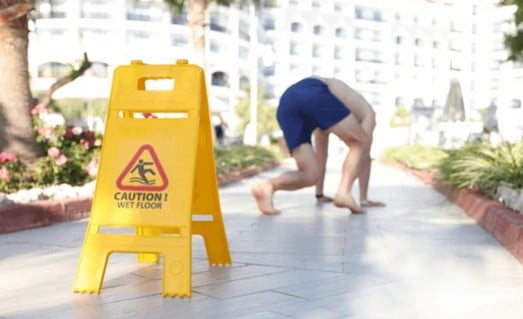
- Wet or slippery floors;
- Unsecured goals or equipment; and
- Hidden or dangerous conditions.
If a dangerous condition causes an injury and the property owner or operator failed to take reasonable steps to identify, repair, or warn about the hazard, a premises liability claim may be possible.
Coaches and Trainers
Coaches and trainers have responsibilities that extend beyond teaching athletic skills. Depending on the circumstances, they may be expected to provide reasonable supervision, follow applicable safety protocols, and respond appropriately when an athlete is injured.
Potentially negligent conduct may include:
- Ignoring signs of a concussion or other serious injury;
- Allowing an injured athlete to continue playing;
- Providing inadequate supervision;
- Requiring unnecessarily dangerous training drills;
- Failing to provide appropriate instruction; and
- Failing to follow applicable safety procedures.
The responsibilities of a coach or trainer may vary depending on the sport, the age and skill level of the athletes, and the circumstances of the activity.
Schools and Sports Organizations
Schools, athletic leagues, clubs, and recreational organizations may potentially be liable when their negligence contributes to an athlete’s injury.
Examples may include failing to:
- Properly screen or train coaches;
- Maintain safe facilities;
- Follow established safety protocols;
- Provide appropriate supervision; or
- Provide or maintain necessary safety equipment.
Claims involving public schools and governmental entities may also be subject to special legal requirements, including notice provisions and statutory protections. These requirements can differ from those applicable to private organizations.
Equipment Manufacturers
Defective sports equipment can cause serious injuries even when an athlete, coach, or facility has acted appropriately.
Potentially defective products may include:
- Helmets;
- Protective pads;
- Bicycles;
- Exercise equipment;
- Sporting goods; and
- Other athletic equipment.
Manufacturers, distributors, or other parties in the chain of distribution may potentially be liable under applicable product liability laws when a defective product causes an injury.
What Should You Do After a Sports Injury?
Taking appropriate steps after an accident can help protect your health and preserve evidence that may become important to a future claim.
Seek Medical Attention
Prompt medical attention is important, even when an injury initially appears minor. Some sports injuries may not produce significant symptoms immediately.
Medical records can help:
- Document the injury;
- Establish when treatment began;
- Demonstrate the nature and severity of the injury; and
- Connect the injury to the accident.
Following your healthcare provider’s treatment recommendations is also important for your recovery and may help establish the ongoing effects of the injury.
Report the Incident
Report the injury to the appropriate person or organization as soon as reasonably possible.
Depending on the circumstances, this may include:
- Coaches;
- Referees;
- League officials;
- School administrators; or
- Facility management.
When an incident report is available, request that the accident be documented and obtain a copy if possible.
Preserve Evidence
Evidence can disappear quickly following a sports accident.
Potentially important evidence may include:
- Photographs of the accident scene;
- Photographs or video of defective equipment;
- Torn clothing;
- Damaged protective gear;
- Surveillance or game footage; and
- Contact information for witnesses.
Do not discard equipment that may have contributed to the injury. Preserving the condition of the equipment can be particularly important in cases involving a potential product defect.
Keep Detailed Records
Maintain copies of documents relating to your injury and recovery, including:
- Medical bills;
- Prescription expenses;
- Physical therapy records;
- Lost-wage documentation;
- Insurance correspondence; and
- A personal journal documenting pain, limitations, treatment, and recovery.
Detailed records can help demonstrate the financial and personal impact of an injury.
Proving Negligence in a Sports Injury Case
A negligence claim generally requires establishing several legal elements.
Duty of Care
The potentially responsible party owed the injured person a legal duty to exercise reasonable care under the circumstances.
Breach of Duty
The responsible party failed to meet that duty by acting negligently or failing to take reasonable precautions.
Causation
The negligent conduct caused or contributed to the injury.
Damages
The injured person suffered legally compensable losses, which may include medical expenses, lost income, physical pain, or other damages recognized under applicable law.
The failure to establish one or more required elements can affect the viability or outcome of a claim.
What Compensation May Be Available?
Every sports injury case is different. Depending on the circumstances and applicable law, compensation may include:
- Medical expenses;
- Future medical treatment;
- Physical therapy and rehabilitation;
- Lost wages;
- Loss of future earning capacity;
- Pain and suffering;
- Emotional distress;
- Permanent impairment or disability; and
- Scarring or disfigurement.
The potential value of a claim depends on numerous factors, including the severity of the injury, the duration of recovery, permanent limitations, medical expenses, lost income, and the effect of the injury on the individual’s daily life.
The Importance of Acting Quickly
Every state has a statute of limitations that establishes a deadline for filing certain personal injury lawsuits. The applicable deadline can vary depending on the type of claim, the identity of the defendant, and other circumstances. Waiting too long may result in losing the ability to pursue a claim.
Acting promptly can also help preserve important evidence. Witness memories may fade, surveillance footage may be overwritten, and dangerous conditions or defective equipment may be repaired, discarded, or altered.
If you or your child has suffered a serious sports-related injury, consulting with an experienced personal injury attorney early in the process can help identify potential claims, preserve evidence, and determine which deadlines and legal requirements apply.
Final Thoughts
Sports injuries are not always “just part of the game.” Although athletes generally accept the ordinary risks associated with participation, they may not be required to accept injuries caused by negligent conduct, unsafe premises, defective equipment, or inadequate supervision.
If you believe that someone else’s negligence contributed to your sports-related injury, understanding your legal options is an important first step. An experienced personal injury attorney can evaluate how the accident occurred, identify potentially responsible parties, determine whether a viable claim exists, and help you pursue compensation while you focus on your recovery.