
|

|

|

|

|

|
What Makes Construction Site Injury Cases Different From Other Workplace Injury Claims?
Construction site injury cases are often more complex due to the involvement of multiple parties such as contractors, subcontractors, equipment suppliers, and property owners all working in the same location. Determining responsibility is complicated as a result. The unique hazards present at construction sites, such as falls, heavy machinery, elevated work areas, and electrical risks, can lead to particularly serious injuries, making these cases distinct from typical workplace injuries.
When Does Workers’ Compensation Apply, And What Does It Typically Cover In New Jersey?
In New Jersey, workers’ compensation applies when an employee is injured while performing job-related duties. It is a no-fault system, meaning employees do not have to prove employer negligence. Benefits include authorized medical treatment, temporary disability benefits during recovery, and compensation for any permanent impairment resulting from the injury. The workers’ compensation insurance carrier dictates the treatment process, ensuring that workers reach maximum medical improvement.
Why Do Construction Accidents Sometimes Involve Legal Claims Beyond Workers’ Compensation?
While workers’ compensation provides essential benefits, it prevents employees from suing their employers for negligence. However, construction sites involve many companies beyond the employer, such as subcontractors and equipment manufacturers. If another party contributed to the accident, the injured worker might have a separate third-party claim in addition to the workers’ compensation case. This is common when independent contractors are involved.
Who Besides An Injured Worker’s Direct Employer Can Be Responsible In A Construction Accident?
Potentially responsible parties include general contractors, subcontractors, property owners, equipment rental companies, equipment manufacturers, and maintenance companies. Any entity whose actions or failures contributed to an unsafe condition that caused the injury can be held liable. Identifying these parties requires examining who controlled the work area and who was responsible for safety protocols.
What Types Of Construction Accidents Often Lead To Third-party Liability Claims?
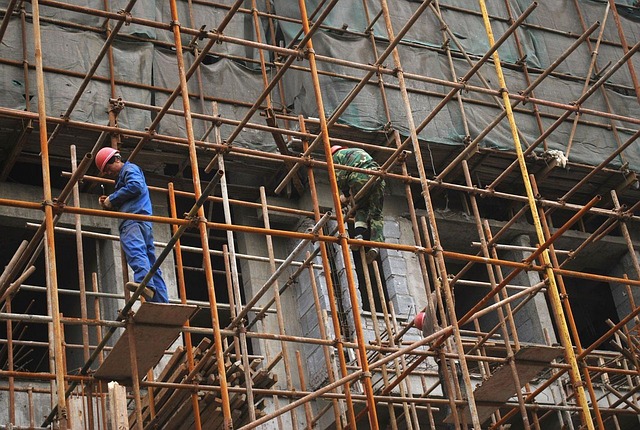
Common construction accidents leading to third-party claims include falls from scaffolding or ladders, crane accidents, trench collapses, electrocution incidents, and injuries caused by defective machinery. These cases require thorough investigation into site safety responsibilities and whether safety regulations were followed.
How Is Fault Investigated When Multiple Companies Work On The Same Construction Site?
Investigations focus on who controlled the work area, who was responsible for safety procedures, and which company created or failed to correct dangerous conditions. This involves reviewing contracts, safety manuals, inspection reports, OSHA violations, witness statements, and job site records. Gathering comprehensive evidence is crucial to determine fault accurately.
What Types Of Evidence Are Especially Important In Construction Injury Cases?
Photos and videos of the accident scene are vital, especially since conditions on construction sites change rapidly. Safety reports, OSHA investigations, incident reports, training records, maintenance logs, witness statements, and contracts are crucial. These documents help establish whether proper safety measures were in place and who might be at fault.
What Should Injured Workers And Their Families Understand About The Relationship Between Workers’ Compensation Benefits And Third-party Lawsuits?
Workers’ compensation and third-party claims often operate together, offering benefits regardless of fault and allowing for recovery of damages not covered by workers’ compensation, like pain and suffering. Evaluating all potential sources of recovery early is critical, as these claims interact in important ways and can significantly impact the injured worker’s compensation.