





What makes motorcycle accident cases different from car accident claims in New Jersey?
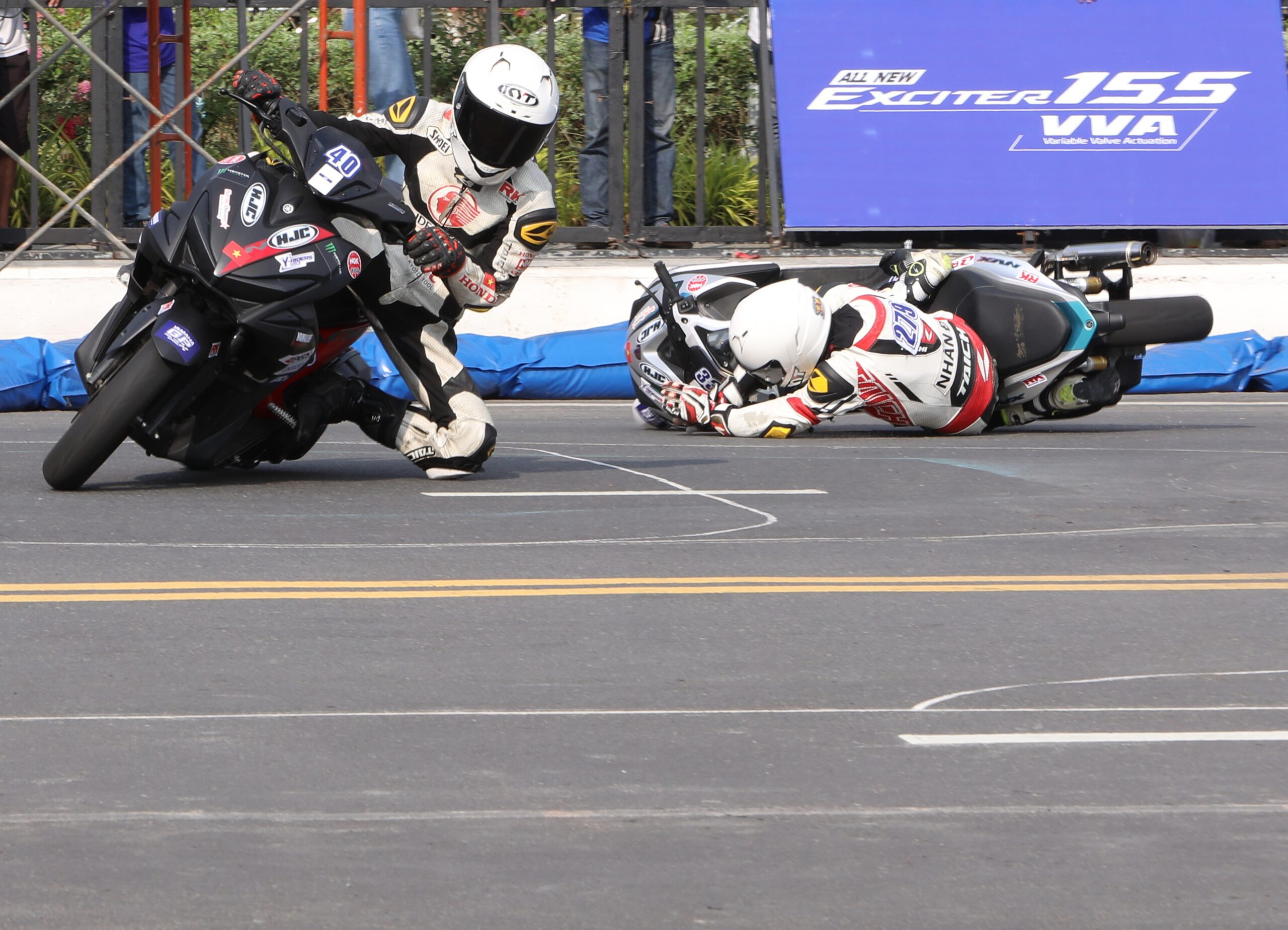
Motorcycle accident cases differ primarily due to the severity of injuries involved. Riders lack the physical protection that car occupants have, making them more vulnerable to significant injuries such as traumatic brain injuries or spinal injuries, even at low speeds. These cases often involve disputes over visibility and driver awareness, leading to contested liability compared to typical car accidents.
Why are visibility issues a major contention point in motorcycle accidents?
Visibility issues arise because drivers often claim they did not see the motorcycle involved in the crash. Motorcycles are smaller and can be difficult to spot, especially if a driver is distracted or fails to check blind spots. However, not seeing the motorcycle does not exempt drivers from their duty to exercise reasonable care while driving, as they must observe what is plainly visible before making maneuvers.
What common crash patterns are seen in motorcycle accident cases?
Common patterns include vehicles making left turns in front of oncoming motorcycles, drivers changing lanes without checking blind spots, and vehicles pulling out from side streets. Rear-end collisions at intersections and roadway hazards are also frequent, posing particular dangers to motorcycles.
How is fault determined in motorcycle crashes involving turns and lane changes?
Fault is assessed by evaluating whether drivers acted reasonably under the circumstances. In left-turn collisions, the turning vehicle typically must yield to oncoming traffic. In lane change incidents, the focus is on whether the driver checked mirrors and blind spots before moving over. Investigations consider witness statements, vehicle damage, crash reports, and sometimes accident reconstruction to determine fault.
How do perceptions and biases affect motorcycle accident claims?
Biases can negatively impact claims, as there may be assumptions that motorcyclists are speeding or taking unnecessary risks. However, such assumptions are not evidence. Each case must be evaluated based on factual information, and part of the legal process involves ensuring that investigations focus on objective evidence rather than stereotypes.
What evidence is most crucial when proving a motorcycle accident case?
Video evidence, such as footage from dash cams or helmet-mounted cameras, is invaluable. Witness statements are also critical, as accidents can occur quickly. Physical evidence like skid marks, vehicle damage, and electronic data from vehicles are important for reconstructing the collision. Prompt preservation of this evidence is essential.
How does helmet use affect motorcycle accident claims?
In New Jersey, wearing a helmet is mandatory for motorcyclists. If a rider is not wearing a helmet, it does not automatically bar recovery for injuries caused by another driver’s negligence. However, the defense may argue that not wearing a helmet contributed to specific injuries, making helmet use relevant in assessing claims based on the facts and medical evidence.
Can you share a case where a key piece of evidence changed the outcome?
In a notable case, a motorcyclist had the right of way when a car made a left turn, causing a collision. The motorcyclist’s helmet-mounted camera provided crucial video evidence that showed he was going straight, and the car cut in front of him. This evidence was pivotal in demonstrating that the motorcyclist had the right of way, significantly influencing the case outcome.
What factors most influence the success of a motorcycle accident claim?
Proving liability is the most significant factor, with any supporting evidence like video footage or reliable witness accounts being crucial. Demonstrating damages through consistent medical documentation and prompt evidence preservation also strengthens a case. Early legal consultation can help secure critical evidence and improve claim success.