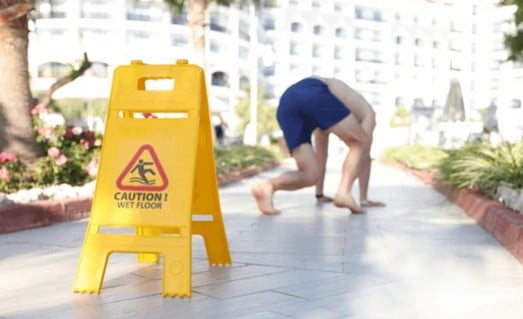

Your home should be the safest place in your life—but preventable accidents happen more often than most people realize. Falls, fires, electrical hazards, and unsafe household conditions lead to thousands of injuries every year. Taking simple safety precautions can significantly reduce risks and help protect your family, guests, and even pets.
Below are practical home safety measures every household should consider.
1. Prevent Slip and Fall Accidents
Falls are among the most common home injuries, especially for older adults and young children.
Safety Tips:
- Remove clutter from walkways and stairs
- Use non-slip mats in bathrooms and kitchens
- Install handrails on both sides of staircases
- Keep floors dry and clean up spills immediately
- Ensure adequate lighting in hallways and entryways
- Secure loose rugs with non-slip backing
2. Fire Safety and Prevention
Home fires can start suddenly and spread quickly, but early detection and preparation can save lives.
Safety Tips:
- Install smoke alarms on every level of your home
- Test alarms monthly and replace batteries yearly
- Keep a fire extinguisher in the kitchen and garage
- Avoid overloading electrical outlets
- Keep space heaters at least 3 feet away from flammable materials
- Create and practice a fire escape plan with your family
3. Electrical and Appliance Safety
Faulty wiring or unsafe appliance use can lead to shocks, burns, or fires.
Safety Tips:
- Have your electrical system inspected regularly
- Replace frayed or damaged cords
- Unplug appliances when not in use
- Avoid running extension cords under rugs
- Use surge protectors for electronic devices
4. Childproofing the Home
Children are naturally curious, which makes household hazards particularly dangerous.
Safety Tips:
- Install safety gates at staircases
- Use cabinet locks for cleaning supplies and medications
- Cover electrical outlets
- Secure heavy furniture and TVs to the wall
- Keep small items out of reach to prevent choking
- Store hazardous substances in locked cabinets
5. Kitchen and Cooking Safety
Most household burns and fires begin in the kitchen.
Safety Tips:
- Never leave cooking food unattended
- Keep pot handles turned inward
- Keep flammable items away from the stove
- Use oven mitts and heat-resistant tools
- Regularly inspect kitchen appliances for wear
6. Carbon Monoxide Awareness
Carbon monoxide (CO) is a silent, odorless gas that can be fatal without detection.
Safety Tips:
- Install CO detectors on each level of your home
- Have heating systems serviced annually
- Never use grills or generators indoors
- Make sure vents and chimneys are clean and unobstructed
7. Outdoor and Property Safety
Maintaining safe outdoor spaces is just as important as maintaining the inside of your home.
Safety Tips:
- Repair uneven sidewalks, steps, or loose railings
- Keep walkways clear of snow, ice, and debris
- Install adequate exterior lighting
- Secure pools with self-locking gates
- Store lawn equipment and chemicals safely
If You Are Injured Due to Someone Else’s Negligence
While many injuries happen inside your own home, some occur when visiting someone else’s property. If you were injured because another homeowner, landlord, or property manager failed to maintain a safe environment, you may be entitled to compensation for:
- Medical expenses
- Lost wages
- Pain and suffering
- Long-term or permanent injuries
Unsafe conditions—such as broken steps, unshoveled ice, loose handrails, poor lighting, or hidden hazards—may create liability under New Jersey premises liability law.
If this happens, you should:
- Document the hazard with photos.
- Report the incident to the homeowner or property manager.
- Seek medical treatment quickly.
- Consult with a personal injury attorney to protect your rights and determine your legal options.
Creating a Safer Home Starts With Simple Steps
By taking proactive safety measures, you can significantly reduce the risk of preventable injuries and protect your family and guests. And if an injury occurs due to someone else’s negligence, knowing your rights can make all the difference in your recovery.
If you were injured due to someone else’s negligence, contact us today to discuss your case.