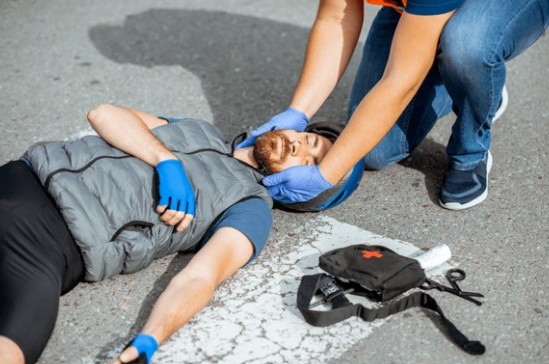
Walking is one of the simplest and healthiest ways to get around, but pedestrians are among the most vulnerable people on New Jersey’s roads. When a vehicle strikes a pedestrian, the resulting injuries can be serious, life-changing, or even fatal.
Understanding pedestrian safety rules, New Jersey crosswalk laws, and your legal rights can help prevent accidents—and can be especially important if you or a loved one is injured.
Pedestrians Have Rights—But They Also Have Responsibilities
New Jersey drivers have a responsibility to operate their vehicles safely and watch for pedestrians. Pedestrians also have a responsibility to follow traffic laws and exercise reasonable caution.
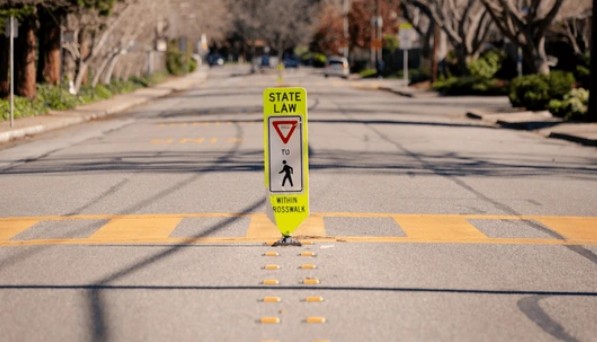
Under New Jersey law, drivers generally must yield to pedestrians who are crossing within a marked crosswalk or, under certain circumstances, at an intersection where the pedestrian has the right-of-way.
Pedestrians should still remain alert and never assume that an approaching vehicle will stop simply because they have the right-of-way.
Before entering the roadway, pedestrians should make sure approaching vehicles have slowed or stopped and that it is safe to cross.
Crosswalk Safety: Don’t Assume You’re Automatically Safe
A crosswalk provides pedestrians with a designated place to cross, but it cannot physically protect someone from a vehicle.
Before crossing:
- Stop at the edge of the roadway.
- Look left, right, and left again.
- Watch for vehicles turning through the intersection.
- Make eye contact with approaching drivers whenever possible.
- Wait until vehicles have stopped or it is otherwise safe to cross.
- Continue watching for vehicles while crossing.
- Avoid distractions such as texting or looking at your phone.
- Follow pedestrian traffic signals and posted signs.
At night, wearing bright or reflective clothing can also make pedestrians easier for drivers to see.
Drivers Must Watch for Pedestrians
New Jersey drivers have an important responsibility to remain alert and respond appropriately to pedestrians.
Drivers should:
- Slow down when approaching crosswalks and intersections.
- Yield to pedestrians when required by law.
- Stop for pedestrians who are lawfully crossing.
- Check carefully for pedestrians before making a turn.
- Avoid passing another vehicle that has stopped for a pedestrian.
- Never drive while distracted or impaired.
- Exercise additional caution in school zones, residential neighborhoods, parking lots, and areas with heavy pedestrian traffic.
A driver who fails to see a pedestrian does not necessarily avoid responsibility simply because the collision happened quickly or the pedestrian was difficult to see.
New Jersey Crosswalk Laws
New Jersey law provides important protections for pedestrians crossing roadways. Drivers must yield to pedestrians crossing within a marked crosswalk and, in certain circumstances, at intersections where the pedestrian has the right-of-way.
Pedestrians also have legal responsibilities. They must obey applicable traffic signals and should not suddenly enter the roadway when a vehicle is so close that the driver cannot reasonably yield.
New Jersey law also addresses pedestrians crossing outside of marked crosswalks. The circumstances of the crossing, traffic signals, roadway conditions, and conduct of both the driver and pedestrian can affect who had the right-of-way.
Because pedestrian-right-of-way laws can depend on the circumstances, determining who was legally responsible for a collision may require a careful review of the accident.
What Happens When a Pedestrian Is Hit?
Pedestrian accidents can result in serious injuries because people on foot have virtually no physical protection from a moving vehicle.
Common injuries include:
- Broken bones and fractures
- Traumatic brain injuries
- Spinal cord injuries
- Internal injuries and bleeding
- Road rash and other severe abrasions
- Soft-tissue injuries
- Permanent disabilities
- Psychological trauma
Even an accident that initially appears minor should be taken seriously. Some injuries, particularly head and internal injuries, may not become obvious immediately.
Who Is Responsible for a Pedestrian Accident?
Determining liability is not always as simple as asking whether the pedestrian or driver had the right-of-way.
An investigation may examine:
- Traffic signals and signage
- Crosswalk markings
- Vehicle speed
- Driver behavior
- Pedestrian behavior
- Visibility and lighting
- Weather and roadway conditions
- Witness statements
- Surveillance or traffic-camera footage
- Vehicle damage
- Police reports
- Cellphone or other electronic evidence
In some cases, more than one person may share responsibility for an accident. New Jersey’s comparative negligence law can affect the amount of compensation an injured pedestrian may recover.
If You Are Injured, Protect Your Rights
If you are struck by a vehicle, seek medical attention as soon as possible—even if you initially believe your injuries are minor.
You should also consider taking the following steps:
- Report the accident to law enforcement.
- Obtain the driver’s name, contact information, and insurance information.
- Get contact information from witnesses.
- Photograph the accident scene, vehicle, crosswalk, traffic signals, and your injuries if you are able.
- Keep records of medical treatment and expenses.
- Keep track of missed work and lost wages.
- Avoid posting details about the accident or your injuries on social media.
- Do not provide a recorded statement to an insurance company without first understanding your rights.
- Speak with a qualified New Jersey personal injury attorney before accepting a settlement.
Stay Alert and Know Your Rights
Pedestrian safety is a shared responsibility. Drivers must remain attentive and yield when required, while pedestrians should use designated crossings, obey traffic signals, and remain aware of their surroundings.
When a pedestrian is injured because someone else failed to exercise reasonable care, the consequences can extend far beyond the accident itself. Medical bills, lost wages, rehabilitation, pain and suffering, and long-term disabilities can have a significant impact on an injured person’s life.
Knowing New Jersey’s pedestrian laws—and understanding your legal rights—can be an important first step toward protecting yourself and your family.