As autumn arrives, changing weather conditions bring beautiful scenery, cooler temperatures, and an increased risk of slip, trip, and fall accidents. While colorful leaves and rainy days are typical of the season, they can create hazardous conditions on sidewalks, parking lots, stairs, and other walking surfaces.
Wet leaves, accumulated rainwater, and poor lighting can turn an ordinary walkway into a dangerous environment. Property owners and businesses have a responsibility to maintain reasonably safe premises, and failing to address known hazards may result in serious injuries and potential legal liability.
Understanding these seasonal dangers can help pedestrians protect themselves and recognize when an accident may involve negligence.
The Hidden Dangers of Wet Leaves
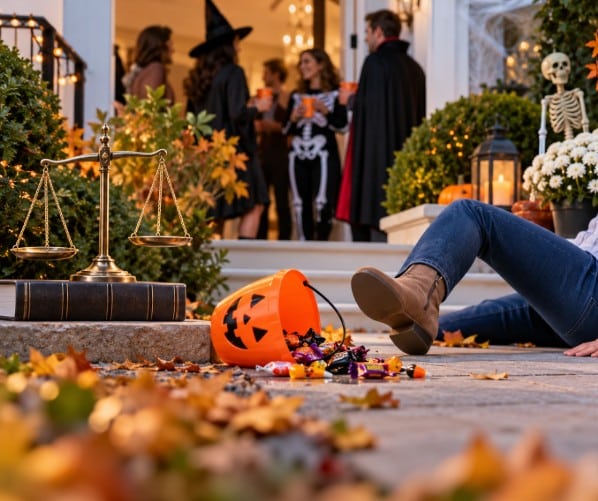
Fallen leaves may appear harmless, but when they become wet, they can create extremely slippery surfaces. Layers of damp leaves can reduce traction, making sidewalks, driveways, and outdoor stairways particularly dangerous.
Wet leaves can also conceal hazards that pedestrians might otherwise notice.
Common dangers associated with fallen leaves include:
- Slippery surfaces: Wet leaves can make pavement slick, increasing the likelihood of slipping.
- Hidden obstacles: Potholes, uneven pavement, and broken sidewalks may be concealed beneath accumulated leaves.
- Blocked drainage: Leaves can clog storm drains, allowing water to collect in pedestrian areas.
- Dangerous stairways: Leaves accumulating on outdoor steps can create slipping and tripping hazards.
- Poorly maintained walkways: Failure to remove excessive leaf buildup can create unsafe conditions.
Property owners should regularly inspect and maintain outdoor walking areas, particularly during periods of heavy leaf accumulation.
How Rain Creates Dangerous Walking Conditions
Rain is another significant contributor to slip and fall accidents. Even a brief rainstorm can create dangerous conditions, especially in areas with poor drainage or inadequate maintenance.
Water can accumulate on sidewalks, building entrances, parking lots, and interior floors, creating unexpected hazards for pedestrians.
Some of the most common rain-related hazards include:
- Standing water on sidewalks and walkways
- Slippery tile or polished floors near entrances
- Puddles concealing potholes or uneven surfaces
- Wet staircases without adequate traction
- Water tracked into stores, restaurants, and office buildings
- Damaged or improperly maintained drainage systems
Businesses should take reasonable precautions during rainy weather, including placing absorbent mats near entrances, promptly addressing wet floors, and displaying appropriate warning signs.
Simply placing a warning sign does not automatically eliminate liability if a dangerous condition remains unaddressed.
Poor Lighting Increases the Risk of Falls
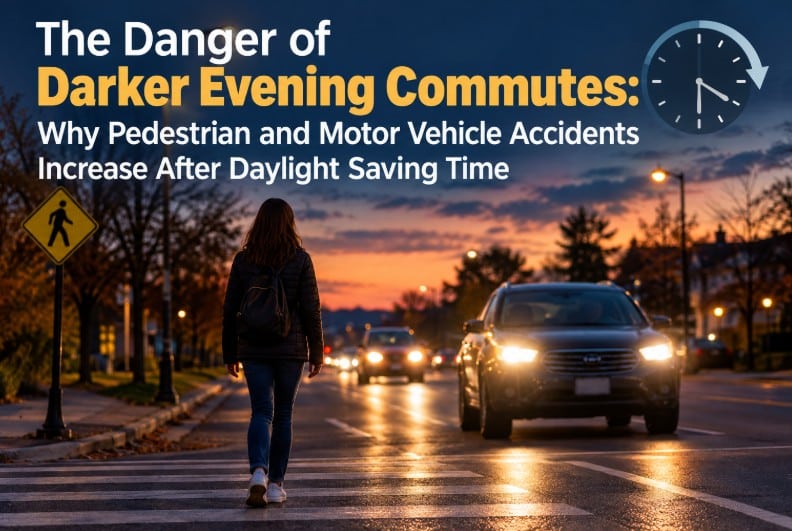
As daylight hours become shorter, pedestrians are more likely to encounter dark or poorly illuminated walking areas.
The transition away from daylight saving time means darkness arrives earlier in the evening, increasing the importance of adequate outdoor lighting.
Poor visibility can make it difficult to identify obstacles, changes in elevation, or slippery surfaces.
Areas where inadequate lighting may contribute to accidents include:
- Apartment complex walkways
- Shopping center parking lots
- Outdoor staircases
- Building entrances and exits
- Parking garages
- Sidewalks and pedestrian pathways
Property owners should inspect lighting systems regularly and replace burned-out bulbs promptly.
When inadequate lighting prevents visitors from recognizing a dangerous condition, it may become an important factor in a premises liability claim.
Common Injuries Resulting From Slip, Trip and Fall Accidents
A slip and fall accident can happen in seconds, but the resulting injuries may affect someone for months or even years.
While some individuals experience minor bruising, others suffer serious injuries requiring extensive medical treatment.
Common injuries include:
- Broken wrists, ankles, and hips
- Head injuries and concussions
- Traumatic brain injuries
- Back and spinal cord injuries
- Torn ligaments and soft tissue damage
- Shoulder and knee injuries
Older adults may face particularly serious consequences, including hip fractures and long-term mobility limitations.
Even when an injury initially appears minor, seeking medical attention is important because certain symptoms may develop or worsen over time.
When Is a Property Owner Responsible?
Slip, trip, and fall accidents often involve an area of personal injury law known as premises liability.
Property owners and businesses generally have a legal duty to exercise reasonable care in maintaining their premises. However, the specific obligations depend on state law, the circumstances, and the visitor’s legal status.
To establish negligence, an injured person may need to demonstrate that:
- A dangerous condition existed on the property.
- The property owner knew or reasonably should have known about the hazard.
- The owner failed to take reasonable steps to correct the condition or provide an adequate warning.
- The dangerous condition caused the accident and resulting injuries.
Not every fall automatically establishes negligence. Factors such as how long the hazard existed, whether inspections were reasonable, and whether the danger was foreseeable can influence liability.
What Should You Do After a Slip and Fall Accident?
Taking appropriate action immediately following an accident can protect your health and help preserve important evidence.
Consider taking the following steps:
- Seek medical attention. Have your injuries evaluated and follow your healthcare provider’s recommendations.
- Photograph the scene. Document wet leaves, standing water, inadequate lighting, or other dangerous conditions.
- Report the accident. Notify the property owner, manager, or business representative.
- Collect witness information. Obtain contact details from anyone who observed the accident.
- Preserve evidence. Keep the shoes and clothing worn during the incident, along with medical records and related expenses.
- Consult a personal injury attorney. An attorney can evaluate the circumstances and explain your legal options.
Protecting Yourself During the Fall Season
Autumn weather creates unique walking hazards, but many slip, trip, and fall accidents are preventable.
Pedestrians should remain alert, wear shoes with appropriate traction, and use caution when navigating wet or poorly illuminated areas.
Property owners must also take reasonable steps to inspect their premises, address foreseeable hazards, and maintain safe walking conditions.
If you have been injured in a slip, trip, or fall accident caused by potentially negligent property maintenance, you may be entitled to compensation for medical expenses, lost wages, pain and suffering, and other damages.