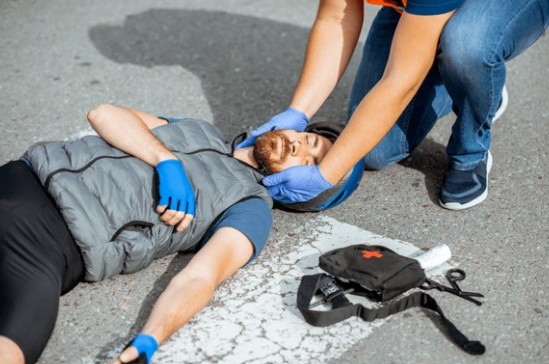
Pedestrian accidents can result in some of the most serious injuries seen in personal injury cases. Unlike people inside a vehicle, pedestrians have virtually no protection when they are struck by a car, truck, SUV, or other motor vehicle.
The problem remains significant in New Jersey. In 2024, 230 pedestrians were killed in motor vehicle crashes in New Jersey, according to New Jersey State Police statistics.
Understanding New Jersey’s pedestrian and crosswalk laws, knowing how pedestrian accidents happen, and understanding what to do after an accident can help protect you and your family.
Why Pedestrian Accidents Can Be So Serious
A pedestrian has little physical protection against the force of a moving vehicle. Even at relatively low speeds, a collision can cause broken bones, head injuries, spinal injuries, and other serious trauma.
Higher vehicle speeds can make collisions even more dangerous. Larger vehicles, including SUVs and pickup trucks, can also cause significant injuries because of their size and weight.
Pedestrians are particularly vulnerable when walking near busy roads, intersections, parking lots, and areas where vehicles travel at higher speeds.
Common Causes of Pedestrian Accidents
Pedestrian accidents can happen for many different reasons. Some of the most common include:
Speeding and Unsafe Driving
Speeding gives a driver less time to react to a pedestrian and increases the distance required to stop. A vehicle traveling at a higher speed can also cause more severe injuries when a collision occurs.
Failure to Yield
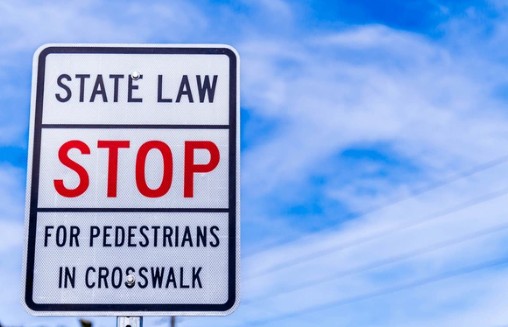
Drivers may fail to see pedestrians in a crosswalk or may fail to yield while turning through an intersection. New Jersey law requires drivers to stop or yield to pedestrians in certain crosswalk situations.
Distracted Driving
Looking at a cellphone, adjusting a navigation system, eating, or engaging in other distracting activities can prevent a driver from noticing a pedestrian until it is too late.
Impaired Driving
Alcohol and drugs can affect a driver’s reaction time, judgment, and ability to recognize pedestrians and other hazards.
Turning Vehicles
Pedestrians can be particularly vulnerable when a vehicle is turning at an intersection. Drivers should carefully check for pedestrians before turning, including when making a right turn after stopping at a red light where permitted.
Backing-Up Accidents
Drivers backing out of driveways, parking spaces, or parking lots may fail to see a pedestrian behind the vehicle.
Poor Visibility
Darkness, bad weather, inadequate lighting, and vehicles blocking a driver’s view can make pedestrians more difficult to see.
New Jersey Crosswalk Laws
New Jersey law provides important protections for pedestrians.
Under N.J.S.A. 39:4-36, a driver must stop and remain stopped to allow a pedestrian to cross within a marked crosswalk when the pedestrian is upon, or within one lane of, the half of the roadway on which the vehicle is traveling or onto which it is turning. Drivers must also yield to pedestrians crossing within an unmarked crosswalk at an intersection, subject to the exceptions contained in the statute.
New Jersey law also prohibits a driver from overtaking and passing another vehicle that has stopped to allow a pedestrian to cross.
At the same time, pedestrians have responsibilities. A pedestrian should not suddenly leave a curb or other place of safety and enter the path of a vehicle that is so close that the driver cannot reasonably stop or yield. Pedestrians crossing outside a marked crosswalk or unmarked intersection crosswalk generally must yield to vehicles.
New Jersey’s pedestrian laws therefore place responsibilities on both drivers and pedestrians.
Who Has the Right-of-Way?
Whether a pedestrian had the right-of-way can depend on where and how the accident occurred.
Factors that may be important include:
- Whether the pedestrian was in a marked crosswalk
- Whether the crossing was at an intersection
- Whether a traffic signal was operating
- Whether the pedestrian had a “Walk” signal
- Whether the vehicle was turning
- How fast the vehicle was traveling
- Whether the pedestrian suddenly entered the roadway
- Whether the driver had a reasonable opportunity to stop
New Jersey law also provides that when a vehicle-pedestrian collision occurs within a marked crosswalk or an unmarked crosswalk at an intersection, there may be a permissive inference that the driver failed to exercise due care.
Common Injuries in New Jersey Pedestrian Accidents
Because pedestrians have little protection from a vehicle, injuries can be severe.
Common injuries include:
- Traumatic brain injuries
- Concussions
- Broken bones and fractures
- Spinal cord injuries
- Back and neck injuries
- Internal injuries and bleeding
- Severe abrasions and road rash
- Soft-tissue injuries
- Nerve damage
- Permanent disabilities
Some injuries may not be immediately apparent following an accident. Anyone struck by a vehicle should consider obtaining prompt medical attention, even if they initially feel relatively well.
Who Can Be Held Responsible for a Pedestrian Accident?
Determining responsibility requires looking at the circumstances surrounding the accident.
An investigation may consider:
- Driver speed
- Traffic signals
- Crosswalk markings
- Driver distraction
- Alcohol or drug impairment
- Failure to yield
- Vehicle turning movements
- Pedestrian conduct
- Roadway and weather conditions
- Lighting and visibility
- Witness statements
- Surveillance footage
- Traffic-camera footage
- Police reports
- Vehicle damage
In some cases, the conduct of more than one person may be relevant. New Jersey’s comparative negligence rules can affect an injured person’s recovery when the injured person is found to have contributed to an accident.
What Should You Do After Being Hit by a Car in New Jersey?
If you are struck by a vehicle, your first priority should be your safety and medical care.
When possible, you should:
- Call 911 and report the accident.
- Obtain medical attention.
- Get the driver’s name, contact information, and insurance information.
- Obtain contact information from witnesses.
- Photograph the scene, vehicle, crosswalk, traffic signals, and your injuries.
- Keep records of medical treatment and expenses.
- Keep track of missed work and lost wages.
- Preserve photographs, videos, and other evidence.
- Avoid posting details about the accident or your injuries on social media.
- Be cautious about providing recorded statements to insurance companies.
- Speak with a New Jersey personal injury attorney before accepting a settlement.
How Can Pedestrians Stay Safe?
New Jersey’s pedestrian-safety guidance recommends that pedestrians use crosswalks where available, obey pedestrian signals, look left, right, and left again before crossing, watch for turning vehicles, and remain alert rather than assuming a vehicle will stop.
Drivers should slow down around crosswalks and intersections, remain alert for pedestrians, and exercise additional caution around schools, bus stops, parks, residential neighborhoods, and areas with heavy pedestrian traffic.
Protecting Your Rights After a New Jersey Pedestrian Accident
A pedestrian accident can have consequences that last long after the initial collision. Serious injuries may result in extensive medical treatment, rehabilitation, lost wages, pain and suffering, and permanent changes to a person’s daily life.
If you or a loved one has been injured after being struck by a vehicle, understanding your rights is important. The circumstances of every pedestrian accident are different, and determining who may be responsible requires a careful review of the facts and applicable New Jersey law.
If you have been injured in a pedestrian accident in New Jersey, speaking with an experienced New Jersey personal injury attorney can help you understand your legal options and protect your rights.