Walking is one of the simplest ways to get around, but pedestrians are among the most vulnerable people on New Jersey’s roads. Even a low-speed collision with a vehicle can cause serious injuries, including broken bones, head injuries, spinal injuries, and internal trauma.
Knowing how to stay safe—and understanding what to do if you are involved in a pedestrian accident—can help protect your health and your legal rights.
Pedestrian Safety Starts With Awareness
Pedestrians should remain alert and aware of their surroundings, particularly near busy intersections, parking lots, driveways, and areas with heavy traffic.
Whenever possible:
- Use sidewalks and designated pedestrian paths.
- Cross at marked crosswalks or intersections.
- Obey pedestrian signals and traffic signs.
- Look left, right, and left again before crossing.
- Make eye contact with approaching drivers when possible.
- Avoid walking while distracted by a cellphone or other device.
- Be especially cautious around driveways and parking lot entrances.
- Wear bright or reflective clothing when walking at night.
- Never assume a driver sees you simply because you can see the vehicle.
Drivers also have a responsibility to watch for pedestrians and operate their vehicles safely.
Be Particularly Careful at Crosswalks
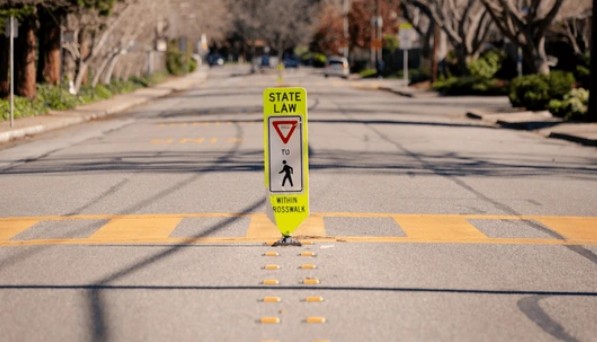
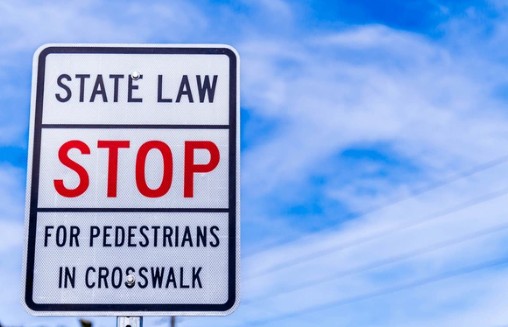
New Jersey law provides protections for pedestrians crossing at marked and certain unmarked crosswalks. However, a crosswalk does not eliminate the risk of an accident.
Drivers may fail to yield, become distracted, speed, or fail to notice a pedestrian crossing the road.
Before entering a crosswalk, make sure approaching vehicles have stopped or that you have sufficient time to cross safely. Continue watching traffic while crossing rather than assuming that having the right-of-way makes you completely safe.
Having the right-of-way does not protect you from a careless driver.
If You Are Hit by a Vehicle
Being struck by a vehicle can be frightening and confusing. Your first priority should be your safety and medical needs.
If you are physically able to do so:
- Move to a safe location. Get out of the roadway if you can do so safely without worsening your injuries.
- Call 911. Request police and emergency medical assistance, particularly if you have been injured.
- Seek medical attention. Some serious injuries may not cause immediate or obvious symptoms.
- Do not argue with the driver. Remain calm and avoid discussing who was at fault at the scene.
- Exchange information. Obtain the driver’s name, contact information, driver’s license information, insurance information, and vehicle information.
- Identify witnesses. Ask witnesses for their names and contact information if possible.
- Document the scene. If you are able, photograph the vehicle, your injuries, the crosswalk, traffic signals, roadway, and surrounding area.
- Report the accident. Make sure the accident is properly reported to law enforcement.
Get Medical Care Even If You Feel Fine
After an accident, adrenaline can temporarily mask pain or other symptoms. Injuries involving the head, neck, back, or internal organs may not always be immediately apparent.
A medical professional can evaluate you for injuries and recommend appropriate treatment. Follow your doctor’s recommendations and keep records of appointments, prescriptions, medical bills, and other treatment-related expenses.
Do not ignore new or worsening symptoms following a pedestrian accident.
Preserve Evidence After a Pedestrian Accident
Evidence can become more difficult to obtain as time passes. Photographs, surveillance video, witness statements, police reports, medical records, and other documentation may all be important when determining what happened.
If possible, keep copies of:
- Police or accident reports
- Medical records and bills
- Photographs and videos
- Insurance correspondence
- Prescription and treatment information
- Documentation of lost wages
- Contact information for witnesses
Do not delete photographs, messages, videos, or other information related to the accident.
If there may be surveillance footage from a nearby business, residence, traffic camera, or other location, it may also be important to identify and preserve that evidence as soon as possible.
Be Careful When Speaking With Insurance Companies
After a pedestrian accident, an insurance company may contact you for information about the accident or your injuries.
Be truthful, but avoid guessing or speculating about what happened. Do not minimize your injuries simply because you initially feel okay.
You should also be cautious about signing documents or accepting a settlement before you understand the full extent of your injuries and losses.
An early settlement may not account for future medical treatment, rehabilitation, lost income, or other damages that become apparent later.
Consider Speaking With a New Jersey Personal Injury Attorney
If a pedestrian is injured because another person failed to exercise reasonable care, the injured person may have the right to seek compensation for damages.
Depending on the circumstances, compensation may include:
- Medical expenses
- Lost wages and income
- Pain and suffering
- Rehabilitation and therapy expenses
- Future medical care
- Permanent disability or impairment
- Other accident-related losses
A New Jersey personal injury attorney can review the circumstances of the accident, investigate potential negligence, identify available insurance coverage, preserve important evidence, and explain your legal options.
Protect Yourself Before and After a Pedestrian Accident
Pedestrian safety requires attention from everyone sharing the road. Drivers must remain alert and yield when required, while pedestrians should use designated crossings, obey traffic signals, and remain aware of their surroundings.
If you are involved in a pedestrian accident in New Jersey, prioritize your health, report the accident, document what happened, preserve evidence, and seek appropriate legal guidance.
Knowing what to do after a pedestrian accident can help protect both your health and your legal rights.