The Hidden Hazards of Halloween Decorations
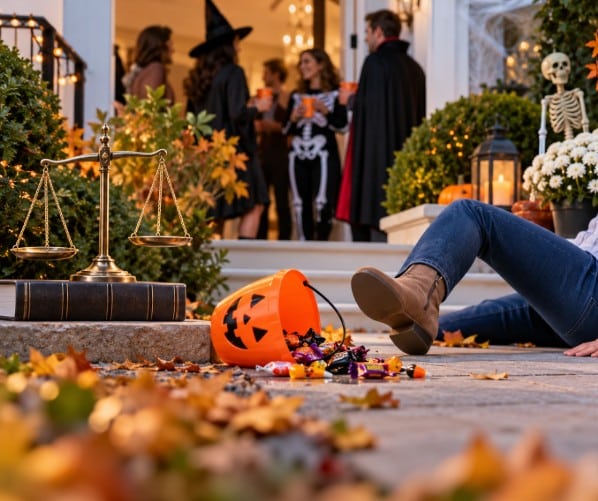
Halloween is a time for spooky decorations, glowing jack-o’-lanterns, inflatable ghosts, and elaborate haunted house displays. While these festive touches make the season more enjoyable, they can also create unexpected safety hazards. Loose electrical cords, poorly secured decorations, dark walkways, and open flames can turn a fun Halloween evening into a serious accident.
For homeowners, business owners, and property managers, understanding these risks is essential. A decorative display may look harmless, but when it causes someone to trip, fall, or suffer an injury, questions about negligence and legal responsibility can arise.
Knowing how to identify and prevent these hazards can help keep Halloween enjoyable while reducing the risk of personal injury.
Common Hazards Associated With Halloween Decorations
Many Halloween-related injuries occur because decorations are improperly installed, poorly maintained, or placed where people are likely to walk.
Some of the most common hazards include:
- Trip-and-fall hazards: Extension cords, artificial spiderwebs, inflatable decorations, and unsecured props can obstruct walkways.
- Poor lighting: Dark entrances, dimly lit stairs, and shadowy pathways make it difficult for visitors to see potential obstacles.
- Fire hazards: Candles, electrical decorations, overloaded outlets, and damaged wiring can increase the risk of fires and burns.
- Falling decorations: Heavy decorations, unsecured tombstones, and improperly mounted props may fall and injure visitors.
- Slippery surfaces: Wet leaves, rainwater, and decorative materials scattered across sidewalks can increase the likelihood of a fall.
- Sharp or exposed objects: Stakes, wires, broken plastic, and metal supports may cause cuts, puncture wounds, or other injuries.
Even seemingly minor decorating mistakes can create dangerous conditions for trick-or-treaters, delivery drivers, guests, and other visitors.
When Can a Halloween Decoration Lead to Premises Liability?
Under premises liability law, property owners and occupiers may be held responsible for certain injuries caused by hazardous conditions on their property. However, liability is not automatic simply because someone gets hurt.
The outcome often depends on the circumstances of the accident, the applicable state law, and whether the responsible party failed to take reasonable steps to prevent a foreseeable injury.
For example, a homeowner who places electrical cords across an unlit walkway may create a foreseeable tripping hazard. If a visitor trips over those cords and suffers an injury, the circumstances may warrant an investigation into whether the homeowner acted negligently.
Factors that may be relevant include:
- Whether a dangerous condition existed on the property.
- Whether the property owner knew or reasonably should have known about the hazard.
- Whether reasonable steps were taken to correct the condition or warn visitors.
- Whether the hazardous condition contributed to the injury.
- Whether the injured person bears any responsibility under the applicable comparative negligence rules.
Property owners should remember that taking reasonable precautions before Halloween visitors arrive can help prevent accidents and reduce potential legal exposure.
Homeowners: How to Make Halloween Decorations Safer
Creating a festive atmosphere does not have to mean compromising safety. A few simple precautions can make a significant difference.
Before welcoming trick-or-treaters or guests, homeowners should:
- Keep walkways clear: Remove cords, props, decorations, and other obstacles from sidewalks, driveways, and entrances.
- Improve visibility: Use adequate outdoor lighting to illuminate steps, pathways, and entryways.
- Secure decorations: Anchor inflatables, signs, and large props to prevent them from tipping or blowing over.
- Inspect electrical equipment: Replace damaged cords and follow manufacturers’ instructions for outdoor decorations.
- Avoid open flames: Consider battery-operated candles instead of traditional candles inside jack-o’-lanterns and other decorations.
- Check stairs and railings: Make sure handrails are secure and steps are free of clutter.
- Monitor weather conditions: Rain, wind, and fallen leaves can make outdoor displays more dangerous.
These measures are especially important for homes expecting young children, older adults, or visitors who may be unfamiliar with the property.
Businesses and Commercial Properties Have Safety Responsibilities, Too
Retail stores, restaurants, apartment complexes, office buildings, and other commercial properties often install Halloween decorations to attract customers and create a festive environment.
However, decorations must not interfere with safe access to entrances, exits, hallways, parking areas, or emergency routes.
Businesses should inspect decorated areas regularly and promptly address hazards such as loose cables, unstable displays, blocked walkways, and inadequate lighting.
Depending on the circumstances and applicable law, a business that fails to address a dangerous condition may face a premises liability claim if someone is injured as a result.
Property managers should also communicate with tenants and maintenance personnel to ensure decorations are installed safely and common areas remain accessible.
What Should You Do If You Are Injured by a Halloween Decoration?
An injury caused by a Halloween display can lead to medical expenses, lost wages, pain, and other unexpected consequences. If you are injured, taking appropriate steps can help protect your health and preserve important evidence.
Consider the following actions:
- Seek medical attention. Your health should be the first priority, even if the injury initially appears minor.
- Document the scene. If it is safe to do so, photograph the decoration, the surrounding area, lighting conditions, and any visible hazards.
- Identify witnesses. Obtain contact information from anyone who saw the accident.
- Report the incident. Notify the homeowner, business owner, or property manager and request that the incident be documented.
- Keep relevant records. Save medical bills, treatment records, receipts, and documentation of missed work.
- Consult a personal injury attorney. An attorney can evaluate the circumstances, explain applicable state law, and determine whether a potential claim may exist.
Avoid assuming that the property owner is automatically responsible. A legal assessment must consider the facts, applicable duties, causation, and any defenses that may apply.
Understanding Personal Injury Claims and Deadlines
Personal injury claims are subject to legal deadlines, and those deadlines vary by state and by the type of claim involved. Waiting too long to investigate an accident can also make it harder to locate witnesses, preserve photographs, and obtain evidence.
If you believe a dangerous Halloween decoration caused your injury, consider seeking legal advice promptly. An attorney can help determine which laws apply, whether another party may be liable, and what options may be available.
Enjoy Halloween Without the Hidden Hazards
Halloween should be remembered for creative costumes, delicious treats, and neighborhood fun—not preventable injuries. By securing decorations, maintaining clear walkways, improving lighting, and addressing potential hazards, property owners can help create a safer environment for everyone.
For those who suffer injuries because of unsafe property conditions, understanding premises liability principles is an important first step toward determining whether legal remedies may be available.
A little preparation can go a long way toward preventing a frightening Halloween from becoming a costly legal nightmare.