As daylight saving time ends each fall, millions of Americans adjust their clocks and daily routines. While gaining an extra hour of sleep may seem beneficial, the earlier sunset creates serious safety concerns for drivers, pedestrians, and cyclists.
With darkness arriving during the evening rush hour, visibility decreases, reaction times may be affected, and the risk of traffic accidents increases. Understanding these dangers and taking appropriate precautions can help prevent serious injuries and fatalities.
Why Traffic Accidents Increase After Daylight Saving Time
When clocks move back one hour, sunset occurs earlier according to the clock. This means many commuters who previously traveled home in daylight suddenly find themselves driving in darkness.
Several factors contribute to the increased danger:
- Reduced Visibility: Drivers have more difficulty seeing pedestrians, cyclists, road hazards, and other vehicles.
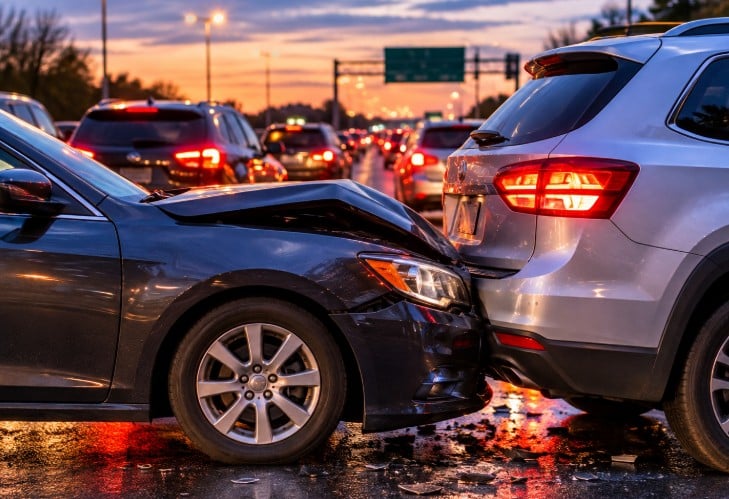
- Rush-Hour Congestion: Heavy traffic combined with darkness increases the likelihood of collisions.
- Driver Fatigue: Changes in sleep schedules can temporarily affect alertness and concentration.
- Pedestrian Activity: People walking home from work, school, or public transportation may be harder to see.
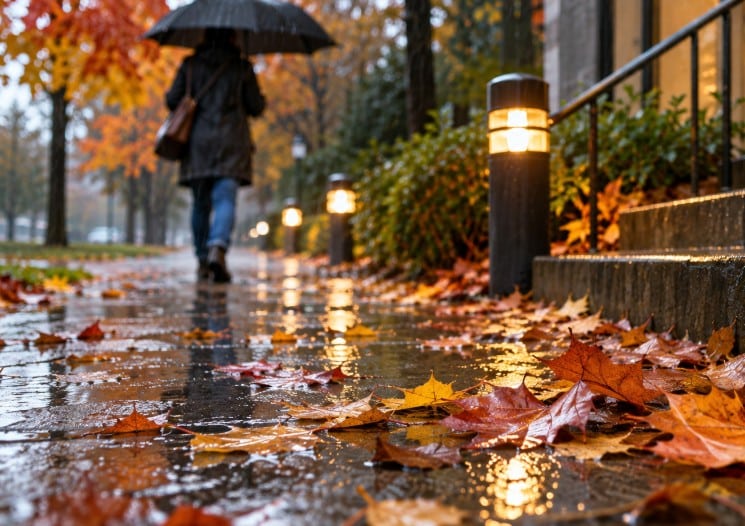
- Weather Conditions: Fall rain, fog, and wet leaves can create additional driving hazards.
The combination of these conditions makes evening commutes particularly dangerous during the fall and winter months.
Pedestrians Face Greater Risks After Dark
Pedestrians are especially vulnerable when daylight hours decrease. Unlike motorists, pedestrians have little protection when involved in a collision.
According to the National Highway Traffic Safety Administration (NHTSA), approximately three-quarters of pedestrian traffic fatalities in the United States occur in darkness.
Several situations create heightened risks for pedestrians:
- Crossing busy intersections during evening rush hour.
- Walking along roads without sidewalks or adequate streetlights.
- Wearing dark clothing that makes visibility difficult.
- Entering crosswalks where drivers may not anticipate pedestrian activity.
- Walking through parking lots with limited lighting.
Even when pedestrians follow traffic laws and use designated crosswalks, negligent drivers can cause devastating accidents.
Pedestrian injuries frequently include broken bones, traumatic brain injuries, spinal cord damage, and other life-altering conditions.
How Darkness Affects Driver Reaction Times
Driving at night requires increased attention because headlights illuminate only a limited portion of the roadway.
A pedestrian, cyclist, or stopped vehicle may become visible too late for a driver to react safely, particularly when traveling at higher speeds.
Common nighttime driving hazards include:
- Headlight glare from approaching vehicles.
- Difficulty judging distances and vehicle speeds.
- Reduced peripheral visibility.
- Poorly illuminated intersections.
- Distracted driving involving phones or navigation systems.
Drivers must adjust their speed and maintain a safe following distance based on visibility and road conditions.
Failing to make these adjustments can constitute negligence when it results in an accident.
The Connection Between Daylight Saving Time and Driver Fatigue
Changes in daylight and sleep schedules can affect driving performance.
Although the fall transition provides an additional hour on the clock, disruptions to established sleep routines may temporarily influence alertness.
Fatigued drivers may experience:
- Slower reaction times.
- Difficulty concentrating.
- Impaired decision-making.
- Reduced awareness of surrounding traffic.
- Increased likelihood of drifting between lanes.
Research concerning daylight saving time and traffic collisions has produced varying findings, with particularly notable concerns surrounding the spring transition.
However, the earlier darkness following the fall transition creates additional visibility challenges during evening commutes.
Who May Be Liable for an Accident After Dark?
When a pedestrian or motor vehicle accident occurs, determining liability requires examining the circumstances surrounding the collision.
Potentially responsible parties may include:
Negligent Drivers: Motorists who speed, drive distracted, fail to yield, or operate vehicles without proper lighting may be held responsible for resulting injuries.
Commercial Vehicle Operators: Delivery drivers, trucking companies, and other commercial operators may face liability when negligent driving contributes to a collision.
Government Entities: In certain circumstances, dangerous roadway conditions, malfunctioning traffic signals, or inadequate maintenance may contribute to an accident. Claims involving government agencies often involve special legal requirements and deadlines.
Darkness does not eliminate a driver’s responsibility to operate a vehicle safely.
Important Steps to Take After a Pedestrian or Car Accident
If you are injured in a traffic accident, protecting your health and legal rights should be a priority.
Consider taking the following steps:
- Seek Medical Attention: Some injuries may not become immediately apparent.
- Contact Law Enforcement: Request an official accident report.
- Document the Scene: Photograph vehicle damage, roadway conditions, lighting, and visible injuries.
- Collect Witness Information: Independent witnesses may provide valuable evidence.
- Preserve Evidence: Keep medical records, repair estimates, and other accident-related documentation.
- Consult a Personal Injury Attorney: Legal guidance can help determine liability and evaluate potential compensation.
Avoid making assumptions about fault before the accident has been thoroughly investigated.
Tips for Staying Safe During Darker Evening Commutes
Both drivers and pedestrians can take precautions to reduce accident risks.
For Drivers:
- Reduce speed when visibility is limited.
- Watch carefully for pedestrians at intersections.
- Keep headlights and windshields clean.
- Avoid distractions and maintain safe following distances.
For Pedestrians:
- Wear bright or reflective clothing.
- Use sidewalks and designated crosswalks.
- Make sure approaching drivers can see you.
- Avoid distractions when crossing streets.
Protecting Your Rights After a Traffic Accident
The end of daylight saving time brings an increased need for caution on our roads. Earlier sunsets, reduced visibility, and congested evening commutes can create dangerous conditions for motorists and pedestrians alike.
If you or a loved one suffers injuries because of another person’s negligence, you may be entitled to compensation for medical expenses, lost wages, pain and suffering, and other damages.
Understanding your legal rights and seeking experienced personal injury representation can make an important difference in your recovery and financial future.