What Every Injured Visitor Should Know About Property Owner Responsibilities
Property owners in New Jersey have a legal responsibility to take reasonable steps to keep their property safe for people who are lawfully on the premises. When owners, landlords, businesses, or property managers fail to address dangerous conditions, innocent visitors can suffer serious and sometimes life-changing injuries.
At Joseph M. Ghabour & Associates, LLC, we represent individuals injured in premises liability accidents throughout New Jersey. Our attorneys help clients understand their rights when a property owner’s failure to maintain safe conditions leads to harm.
What Is a Property Owner’s Duty of Care?
A property owner’s duty of care refers to the legal obligation to act reasonably to prevent foreseeable injuries. This includes maintaining the property, identifying unsafe conditions, making necessary repairs, and warning visitors about hazards that cannot be immediately corrected.
The law does not require property owners to prevent every possible accident. However, they must take reasonable precautions based on the circumstances and the type of property they operate.
For example, a shopping center owner should reasonably expect customers to walk through parking lots, entrances, and aisles. If a dangerous condition exists and the owner fails to address it, the owner may be held responsible for resulting injuries.
Who Is Owed a Duty of Care in New Jersey?
The responsibility a property owner has can depend on why a person is on the property. New Jersey law generally recognizes different categories of visitors.
Customers and Business Visitors
Businesses typically owe customers and other invited visitors a high level of care. Stores, restaurants, and commercial property owners are expected to inspect their premises, correct hazards, and provide warnings when dangers exist.
Examples may include:
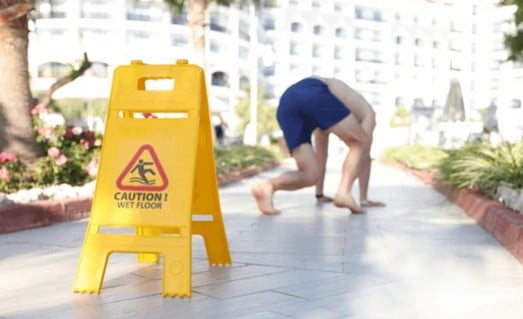
- A retail store failing to clean a spill
- A restaurant ignoring unsafe flooring
- A business failing to maintain safe walkways
Tenants and Residents
Landlords and property owners may have responsibilities to maintain certain areas of rental properties, especially common areas such as:
- Hallways
- Staircases
- Parking areas
- Building entrances
- Shared walkways
A failure to properly maintain these areas can expose tenants and guests to preventable injuries.
Guests and Social Visitors
Homeowners and private property owners may also have duties to warn guests about known dangerous conditions that are not obvious.
What Does a Reasonable Property Owner Do?
A responsible property owner should take steps to reduce the risk of injuries, including:
Conducting Regular Inspections
Hazards can develop over time. Regular inspections can help identify problems before someone gets hurt.
Making Repairs in a Timely Manner
Broken steps, damaged flooring, defective equipment, and other unsafe conditions should be corrected as soon as reasonably possible.
Providing Adequate Warnings
When a dangerous condition cannot immediately be fixed, property owners should provide appropriate warnings or take steps to prevent access to the hazard.
Maintaining Safe Conditions During Changing Weather
New Jersey property owners may need to take reasonable precautions during dangerous weather conditions, including situations involving snow, ice, and freezing temperatures.
Proving a Property Owner Failed in Their Duty of Care
A premises liability claim often depends on whether the property owner acted reasonably under the circumstances.
Important evidence may include:
- Photographs or videos of the dangerous condition
- Surveillance footage
- Accident reports
- Maintenance records
- Inspection records
- Witness statements
- Medical documentation
- Prior complaints about the hazard
Insurance companies frequently investigate whether a property owner had notice of a dangerous condition. A thorough investigation can help determine whether the hazard could have been prevented.
Common Injuries Caused by Unsafe Property Conditions
A failure to maintain safe premises can cause serious injuries, including:
- Broken bones
- Traumatic brain injuries
- Neck and back injuries
- Spinal cord injuries
- Torn ligaments
- Nerve damage
- Long-term mobility problems
The physical, emotional, and financial impact of these injuries can be significant.
How Insurance Companies Handle Premises Liability Claims
After an accident, the property owner’s insurance company may begin investigating the claim. While insurers may appear helpful, their goal is often to minimize the amount they pay.
Insurance companies may argue that:
- The owner was unaware of the hazard
- The condition was obvious
- The injured person was careless
- The accident could not have been prevented
Having legal representation can help protect your rights and ensure that important evidence is preserved.
Why You Should Contact a New Jersey Premises Liability Attorney
Premises liability cases often require detailed investigation into how an accident occurred, who was responsible, and whether the dangerous condition should have been corrected.
At Joseph M. Ghabour & Associates, LLC, we help injured clients pursue claims against negligent property owners, businesses, landlords, and insurance companies. Our firm works to understand the circumstances of each accident and fight for compensation for medical expenses, lost income, pain and suffering, and other damages.
Contact Joseph M. Ghabour & Associates, LLC After a New Jersey Premises Liability Accident
If you were injured because a property owner failed to maintain safe conditions, you may have legal options.
Contact Joseph M. Ghabour & Associates, LLC to discuss your premises liability accident with an experienced New Jersey personal injury attorney.
t with an experienced New Jersey personal injury attorney.