Premises liability in retail settings revolves around one central legal duty: businesses must maintain reasonably safe conditions for customers. When they fail, injuries occur — and those injuries often lead to significant personal injury claims. Retail environments are uniquely prone to hazards due to constant foot traffic, rapid inventory turnover, and frequent customer interaction with merchandise.
Duty of Care in Retail Spaces
Retailers owe customers, known legally as invitees, the highest duty of care. This includes:
- Routine inspections of aisles, entrances, restrooms, and parking lots
- Prompt cleanup of spills or debris
- Clear warnings for temporary hazards
- Safe stocking and shelving practices
- Adequate lighting and security
When a store breaches this duty, and a customer is injured as a result, the business may be liable for damages.
Common Retail Hazards
Retail hazards arise quickly and often without warning. Some of the most frequent dangers include:
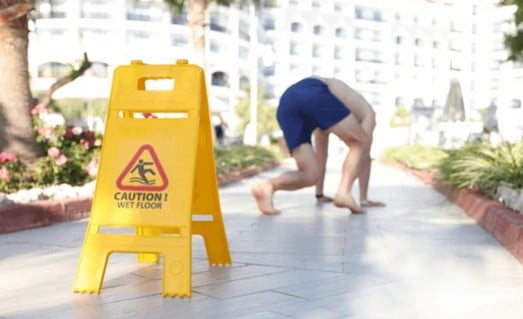
- Slip hazards — Spilled liquids, leaking coolers, tracked‑in rainwater, or freshly mopped floors without signage.
- Trip hazards — Uneven flooring, loose mats, curled rugs, exposed cords, or merchandise left in walkways.
- Falling merchandise — Overloaded shelves, poorly stacked items, or unstable promotional displays.
- Lighting issues — Dim aisles or parking lots that conceal hazards.
- Parking lot dangers — Potholes, broken curbs, inadequate security, or malfunctioning cart corrals.
These hazards are especially common in Florida’s humid climate, where moisture and high foot traffic create persistent slip‑and‑fall risks.
Injuries Resulting From Retail Negligence
Retail accidents can cause injuries ranging from mild to severe. Common injuries include:
- Fractures and sprains
- Back and neck injuries
- Shoulder dislocations
- Concussions and traumatic brain injuries
- Cuts and lacerations from broken displays or sharp shelving
Even minor injuries can evolve into long‑term medical issues, making early documentation essential.
Legal Standards Retailers Must Follow
To avoid liability, retailers must demonstrate they exercised reasonable care. This includes:
- Maintaining written safety protocols
- Training employees on hazard identification
- Documenting inspection schedules
- Using proper signage for temporary dangers
- Ensuring shelving and displays meet safety standards
Failure to meet these standards may constitute negligence. Florida’s comparative negligence law may reduce compensation if the injured customer is found partially at fault, but it does not eliminate the retailer’s responsibility.
Proving Liability in Retail Injury Cases
A successful premises liability claim requires proving:
- The store knew or should have known about the hazard
- The store failed to correct or warn about the danger
- The hazard directly caused the injury
- The injury resulted in measurable damages
Key Evidence
- Photos or videos of the hazard
- Witness statements
- Surveillance footage
- Incident reports
- Medical records
- Proof of store policies or lack thereof
Retailers often argue that the hazard was “transitory” or that they lacked notice. Strong evidence helps counter these defenses.
High‑Risk Retail Hazards
Certain hazards frequently lead to severe injuries and high‑value claims:
- Liquid spills in grocery stores (produce misters, freezer leaks)
- Warehouse‑style shelving collapses
- Faulty automatic doors
- Unsecured promotional displays
- Holiday crowd surges or Black Friday stampedes
These incidents often involve large corporate defendants with extensive resources, making legal representation crucial.
What Injured Customers Should Do
- Seek medical care immediately
- Report the incident to store management
- Document the hazard and surrounding area
- Preserve clothing and footwear
- Avoid detailed statements to insurers
- Consult a personal injury attorney experienced in premises liability
Timely action strengthens the claim and preserves critical evidence.
Why Legal Guidance Matters
Retail premises liability cases often involve corporate policies, insurance adjusters, and aggressive defense strategies. An attorney can:
- Investigate the hazard
- Obtain surveillance footage before deletion
- Identify safety protocol violations
- Calculate long‑term damages
- Negotiate or litigate for full compensation
Premises liability isn’t just about a fall — it’s about holding businesses accountable for preventable dangers.